Power Electronics
HIL Testing Solutions
From Prototype to Product-Faster, Smarter, Safer
Typhoon HIL offers a suite of ultra-high fidelity, real-time simulation tools designed for power electronics R&D and V&V.
Covering applications from motor drives and battery converters to solid state transformers, solar inverters, active filters, traction converters and marine power systems, our platform helps address complex customer and application challenges with accuracy.
From early digital twin prototyping to final validation, we provide third-party integrations, productized HIL models, and a feature set specifically tailored to support the most demanding testing challenges in power electronics.
Electric Motor Drives
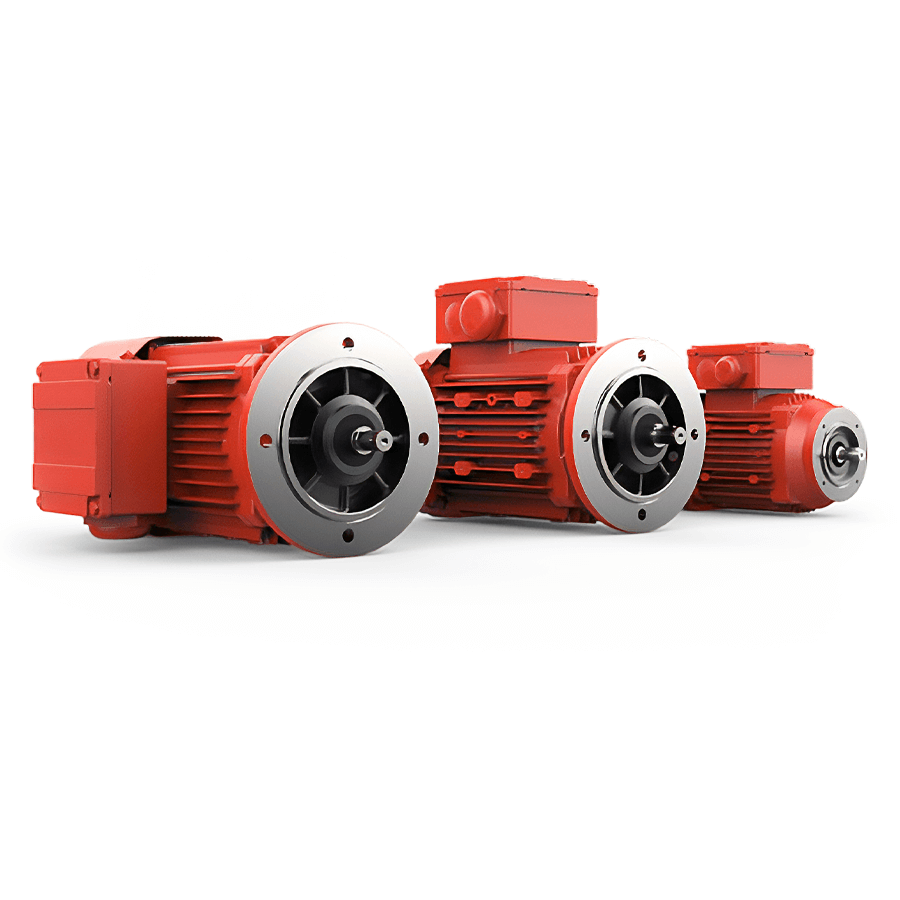
Serving as the workhorses of numerous applications from electric vehicles to industrial machinery, electric motor drives rely on rigorous testing and validation for their reliable and efficient performance. With our solutions at Typhoon HIL, we can ensure seamless integration for your applications across a variety of industries. We support this by:
- Testing connectivity and interdependence between sub-systems
- Increased test coverage difficult to replicate and repeat in the lab or in the field
- Shrinking time to market requirements
- Ease of use and versatility, including ease of system integration
Battery Converters
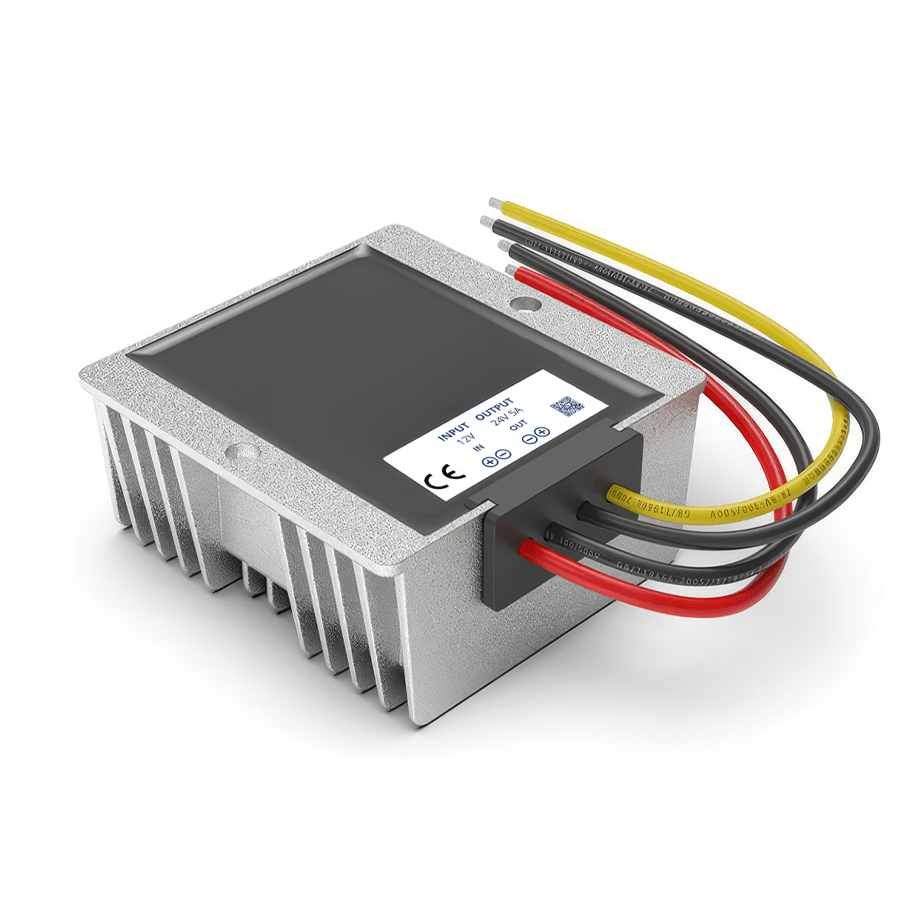
A crucial component in energy storage and electric vehicle industries, battery converters testing is essential to evaluate under diverse operating conditions and ensure optimal performance. At Typhoon HIL, we facilitate cost-effective and time-efficient testing by identifying design flaws early in the development process, minimizing the risk of expensive revisions. Moreover, we support your team by:
- Comprehensive interoperability testing with control systems
- Ensure battery converters seamlessly integrate into various applications
- Contribute to the growth and success of sustainable energy and transportation solutions
Solid State Transformers
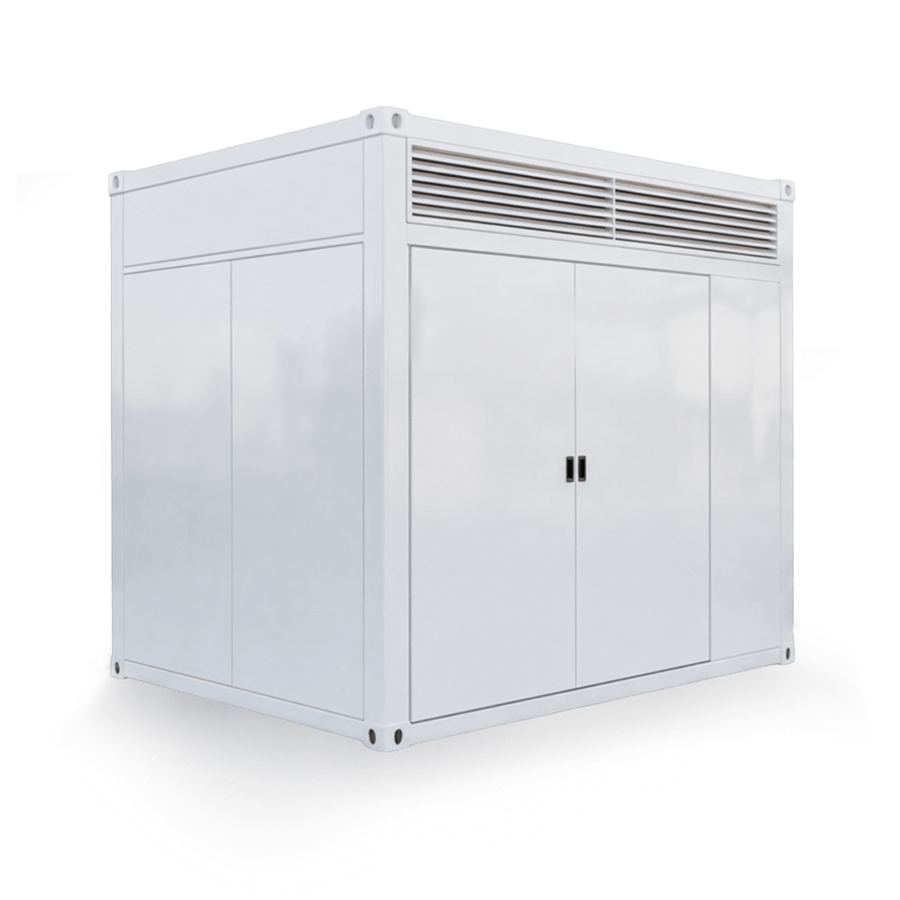
Solid State Transformers are the most complex power electronics system most engineers will ever have to validate. Multi-stage topologies, SiC switching above 100 kHz, and operating voltages of 10 to 50 kV make physical testing slow, expensive, and dangerous. Typhoon HIL is expanding its HIL testing platform to address SST validation, bringing industry-leading 3.5 ns time step simulation and fault injection capabilities including shoot-through and DC clamping to this emerging application.
Traction Converters
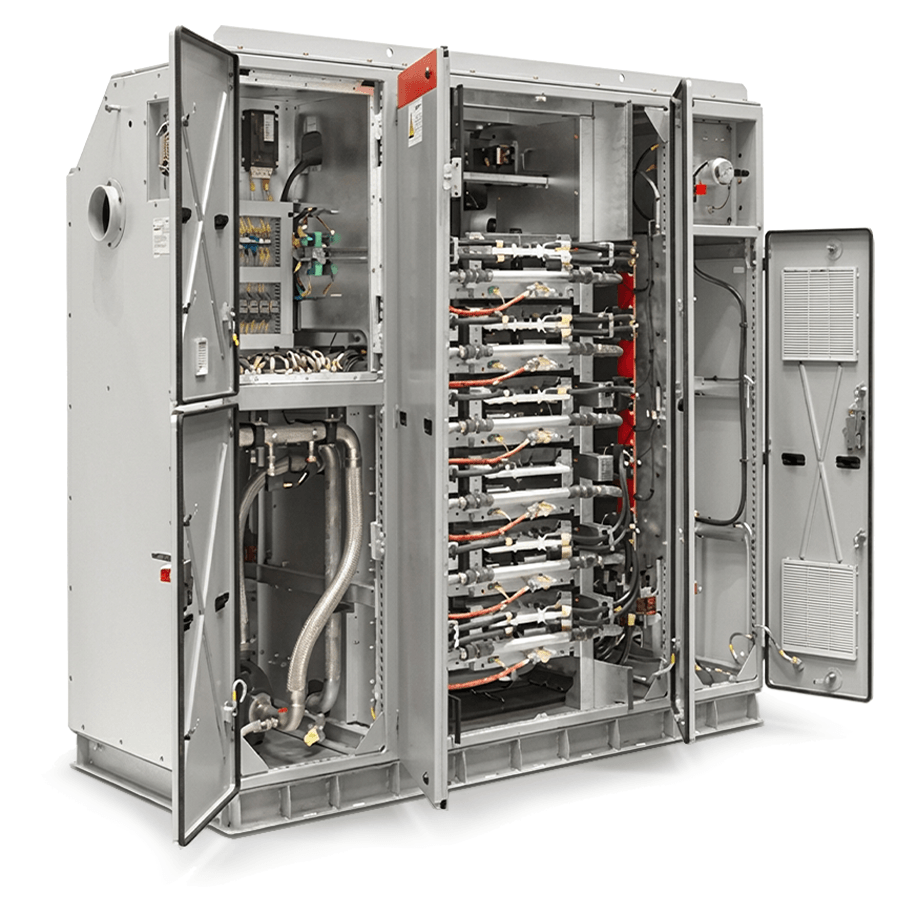
From lightweight city trains to high-speed trains, new motor drives are pushing the envelope of efficiency, reliability, comfort, and weight reduction. Variable frequency drives are the main workhorse behind electrification of railway transportation. Our HIL testing addresses key drivers for continued improvements of electric drives which are:
- Reduced noise level: to increase passenger comfort and minimize noise for communities living next to tracks.
- Efficiency improvements: to reduce lifecycle energy consumption of the train.
- Compact and lightweight design: to produce structurally sound trains with ever decreasing weight.
- Improving reliability: guarantee passenger safety and minimize unplanned maintenance and service disruption.
- Lifecycle maintenance reduction: to streamline maintenance work and reduce cost of operation.
Marine Power System
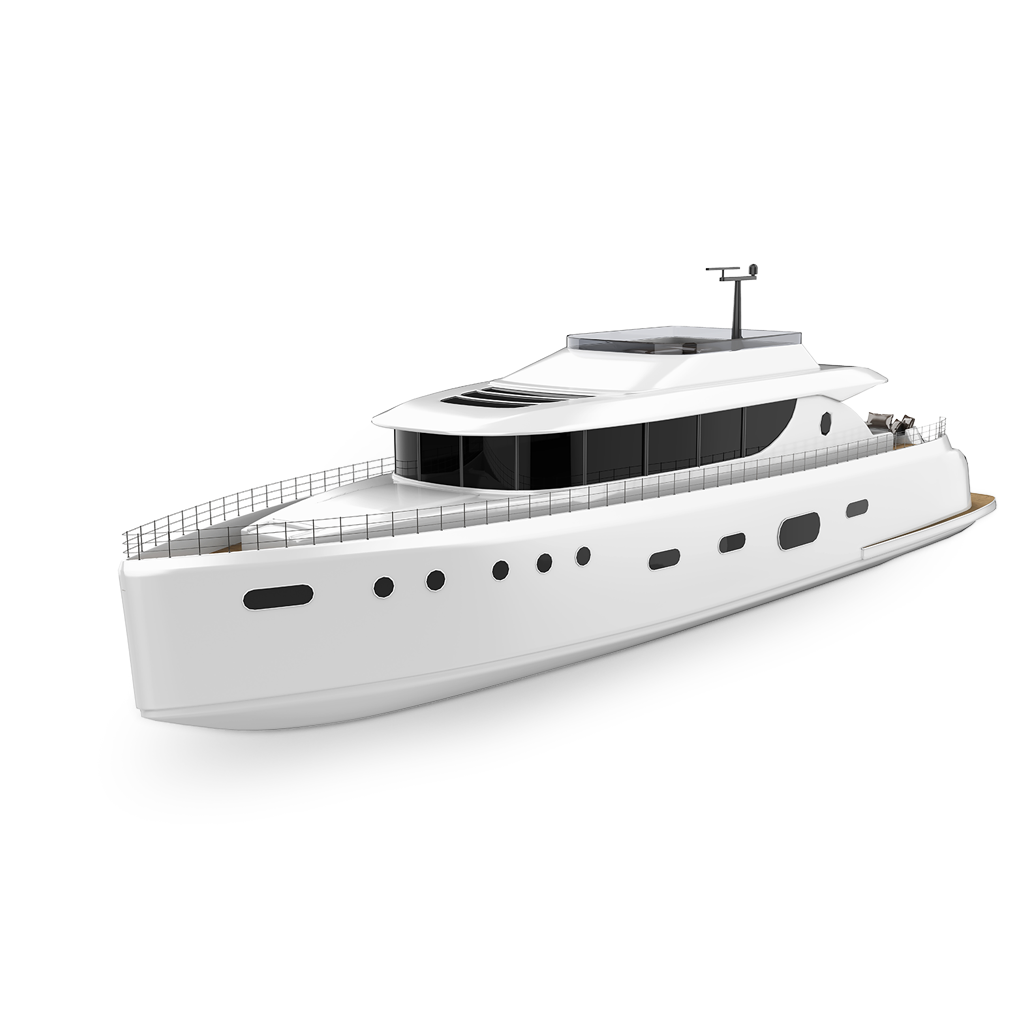
Marine power systems encompass engines, generators, electrical distribution, and control systems, whic are the lifeblood of maritime operations. Rigorous testing allows you to identify and address potential issues before they become costly and potentially hazardous problems at sea. Investing in comprehensive testing with HIL to:
- Ensure compliance with regulatory standards
- Enhance the overall performance of vessels,
- Extend the operational life of critical equipment
Active Filters
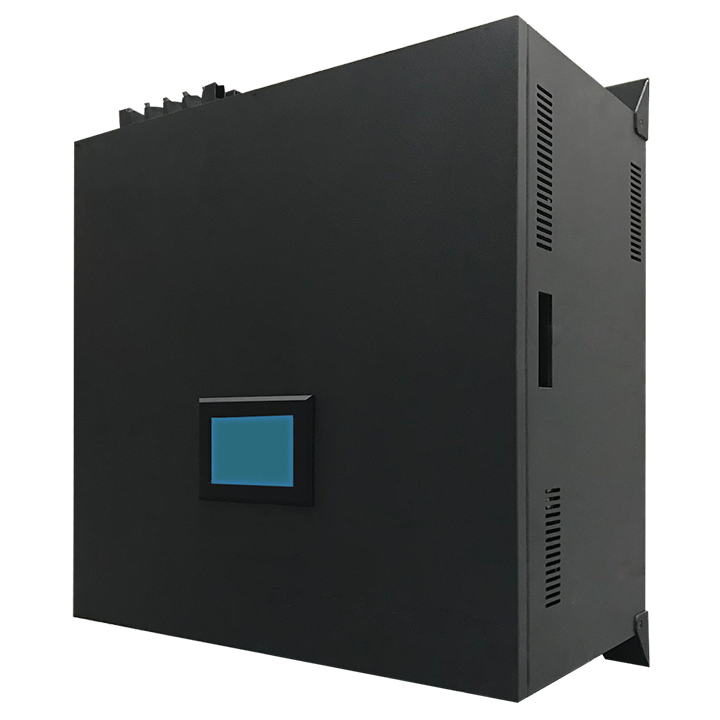
Serving to mitigate harmonic distortion and improve the quality of electrical power, active filters are essential components in power electronics systems. Our HIL solutions provide accurate and dynamic testing of active filters under various load conditions, voltage fluctuations, and frequency distortions, simulating real-world scenarios with precision. In addition, we streamline your process by:
- Identifying flaws and optimizing control algorithms early in the design phase
- Reduced lag time, so testing is optimized
- Relentlessly test with test automation
Solar Inverters
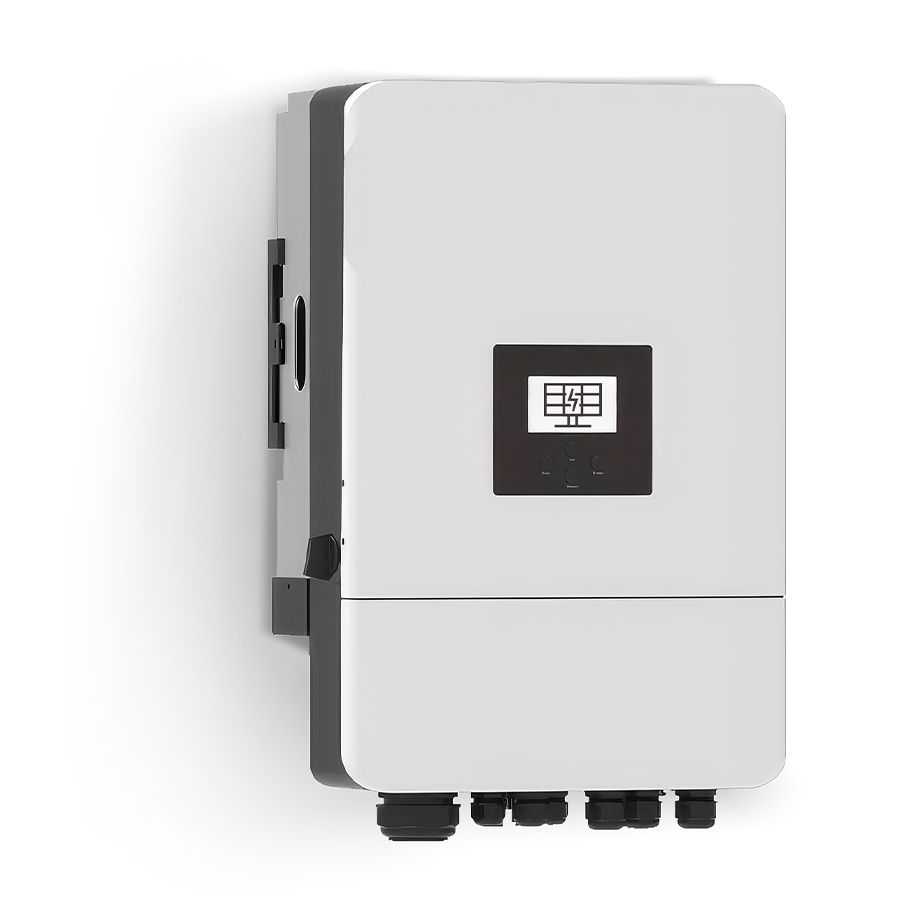
Pivotal to reducing our carbon footprint, the reliability of solar inverters is fundamental to the transforming our energy security. At Typhoon HIL, our solutions facilitate thorough interoperability testing with grid systems and other components, ensuring that your solar inverters integrate seamlessly into renewable energy systems. We support you overcome your testing and validation challenges by:
- Simulating real-world scenarios with accuracy
- Evaluating inverter performance under a wide range of conditions
- Minimizing the need for costly revisions
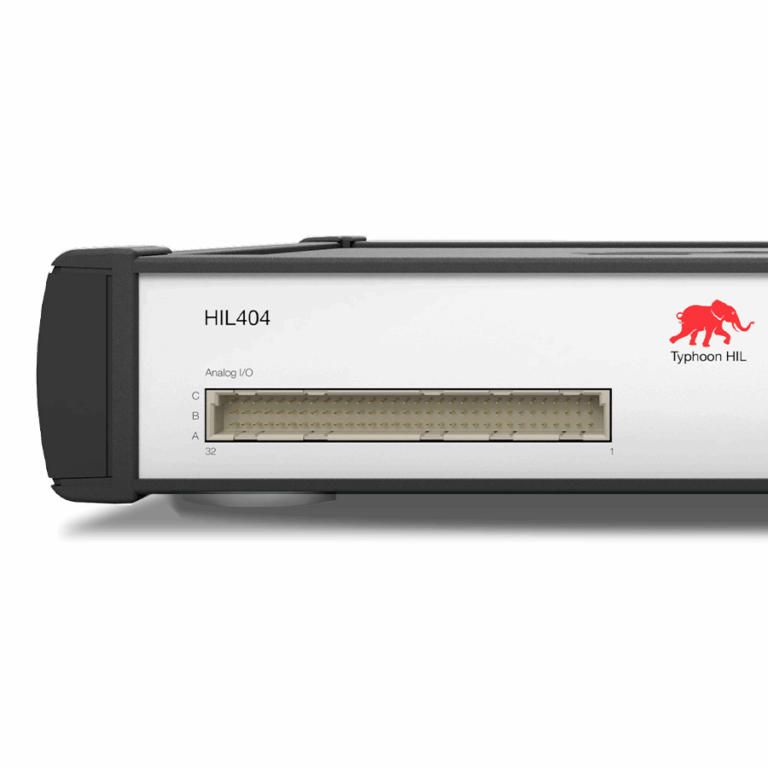
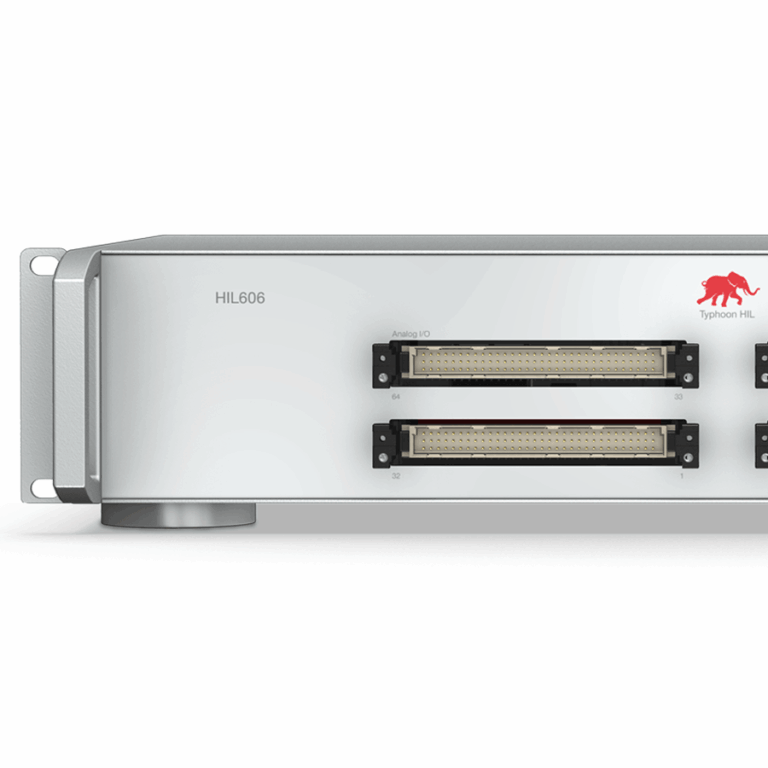
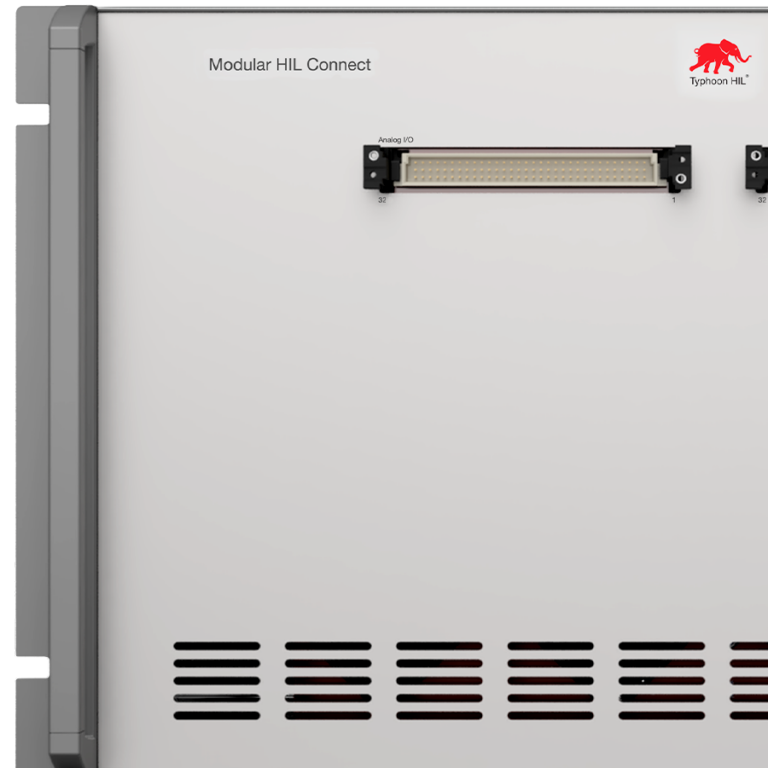
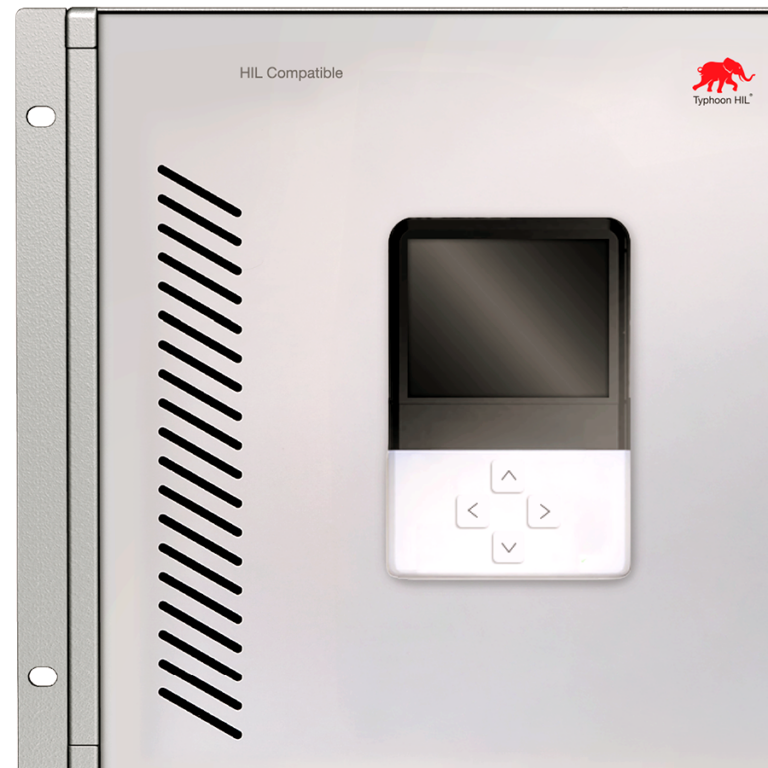
Explore Products for Power Electronics
Frequently Asked Questions
What is HIL testing for power electronics?
Hardware-in-the-Loop (HIL) testing is a method where a real physical controller is connected to a real-time simulation of the power stage it would normally operate. Instead of testing the controller against actual high-voltage hardware, the power electronics circuit (inverters, motors, converters) is simulated with high fidelity on dedicated HIL device. The controller receives realistic sensor signals and responds with real switching commands, just as it would in the field. This allows engineers to validate control software exhaustively in a safe, repeatable environment before any physical hardware is involved.
Why is nanosecond-resolution simulation important for power electronics HIL?
Power electronics converters switch at very high frequencies, leaving only a handful of simulation timesteps per switching cycle. Without sufficient resolution, switching events are missed or misrepresented, directly corrupting simulation results. This is especially critical for topologies like the Dual Active Bridge, where power transfer itself happens at switching frequency, meaning any timing error immediately affects power flow accuracy, not just a negligible high-frequency ripple. Nanosecond-resolution simulation ensures the virtual environment is accurate enough for the real controller to behave identically to how it would on physical hardware.
What is the difference between HIL testing and traditional bench testing for power electronics?
Traditional bench testing requires physical hardware operating at full voltage and current levels, which introduces safety risks, high setup costs, and significant time investment. Historically it was the primary validation method, but relying on it exclusively means discovering software issues late in the development process, where fixes are expensive and delays are costly. C-HIL testing has fundamentally changed this workflow. By replacing the physical power stage with a real-time simulation, engineers can exhaustively validate control software across hundreds of operating conditions, including faults and edge cases, long before any high-power hardware is involved. By the time the product reaches full-power bench testing, the control software has already been thoroughly verified. Full-power testing becomes a final confirmation step rather than a primary discovery process, making it shorter, safer, and significantly less stressful for the engineering team.
How do I get started with HIL Testing for power electronics?
Getting started with Typhoon HIL is designed to be straightforward, even for teams new to HIL simulation. The Typhoon HIL software is available for free download, allowing engineers to start building and exploring models immediately without any hardware commitment. Combined with HIL Academy, a free online learning platform covering everything from fundamentals to advanced applications, teams can get up to speed at their own pace before any purchasing decision is made.
When the time comes to work with hardware, rent and lease options are available for teams that want to evaluate the platform in their own environment before committing to a purchase. For those ready to move forward, Typhoon HIL offers the “HIL in a Day” service, where a Typhoon engineer works directly with your team to build the model, set up the testbed hardware, and run the first batch of test scenarios within a single day. The service includes off-the-shelf controller interfaces, a pre-built component library, and a follow-up remote training session to make sure the team is fully comfortable with the platform going forward.
Throughout the entire process, the Typhoon HIL engineering and sales teams are available to guide you, from selecting the right hardware configuration to answering questions as your testing workflows mature.

HIL Enables Accelerated Chiller Development
At Trane Technologies, we engineer advanced electrical systems that enable variable speed compressors on our chillers and other HVAC systems. Virtual real-time testing has delivered tremendous value in accelerating product engineering, increasing test coverage and reducing our dependence on physical test facilities. HIL Compatible ready-to-use models and hardware components enabled our team to meet our development, validation, and integration goals, helping us and motor drive OEMs reduce risk and deploy proven systems with confidence. Typhoon HIL enables our suppliers to stay competitive while supporting us in delivering reliable solutions faster to our customers.

Electric Systems and Components