

Introduction | Powering the Future of Energy Research
The Center for Microgrid Research (CMR) at the University of St. Thomas is expanding its advanced testing capabilities through the integration of Typhoon HIL’s real-time simulation platforms. This investment strengthens the Center’s mission to support grid modernization, resilience, and the development of advanced power system technologies through applied research and industry collaboration.
As electric power systems evolve with increasing levels of renewable energy, distributed energy resources (DERs), and electrification, microgrids are becoming a critical solution for maintaining reliability and resilience. To address these challenges, CMR is building a research environment where new technologies can be developed, validated, and tested before deployment in real-world power systems.
Challenges | High-Fidelity Testing for Next-Generation Grid Technologies
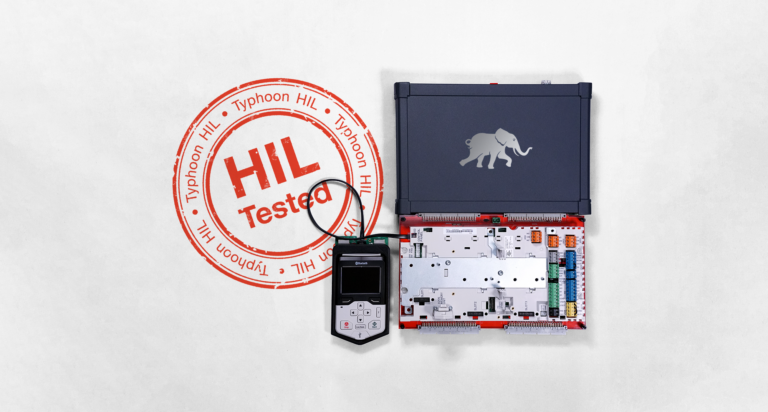
Typhoon HIL’s high-fidelity real-time simulation technology provides CMR researchers with powerful tools to design, validate, and test advanced power electronics and microgrid control strategies. Hardware-in-the-loop (HIL) testing enables researchers to connect real controllers and hardware devices to a simulated power system environment, allowing complex scenarios to be tested safely and efficiently.
This capability allows CMR researchers and partners to:
- Develop and validate advanced microgrid control strategies
- Test grid-interactive technologies in a safe and controlled environment
- Evaluate system performance under fault conditions and dynamic events
- Accelerate the transition from simulation to real-world deployment
By integrating Typhoon HIL systems into the lab, the Center is enabling rapid experimentation and reducing the time required to move innovative technologies from research to practical application.
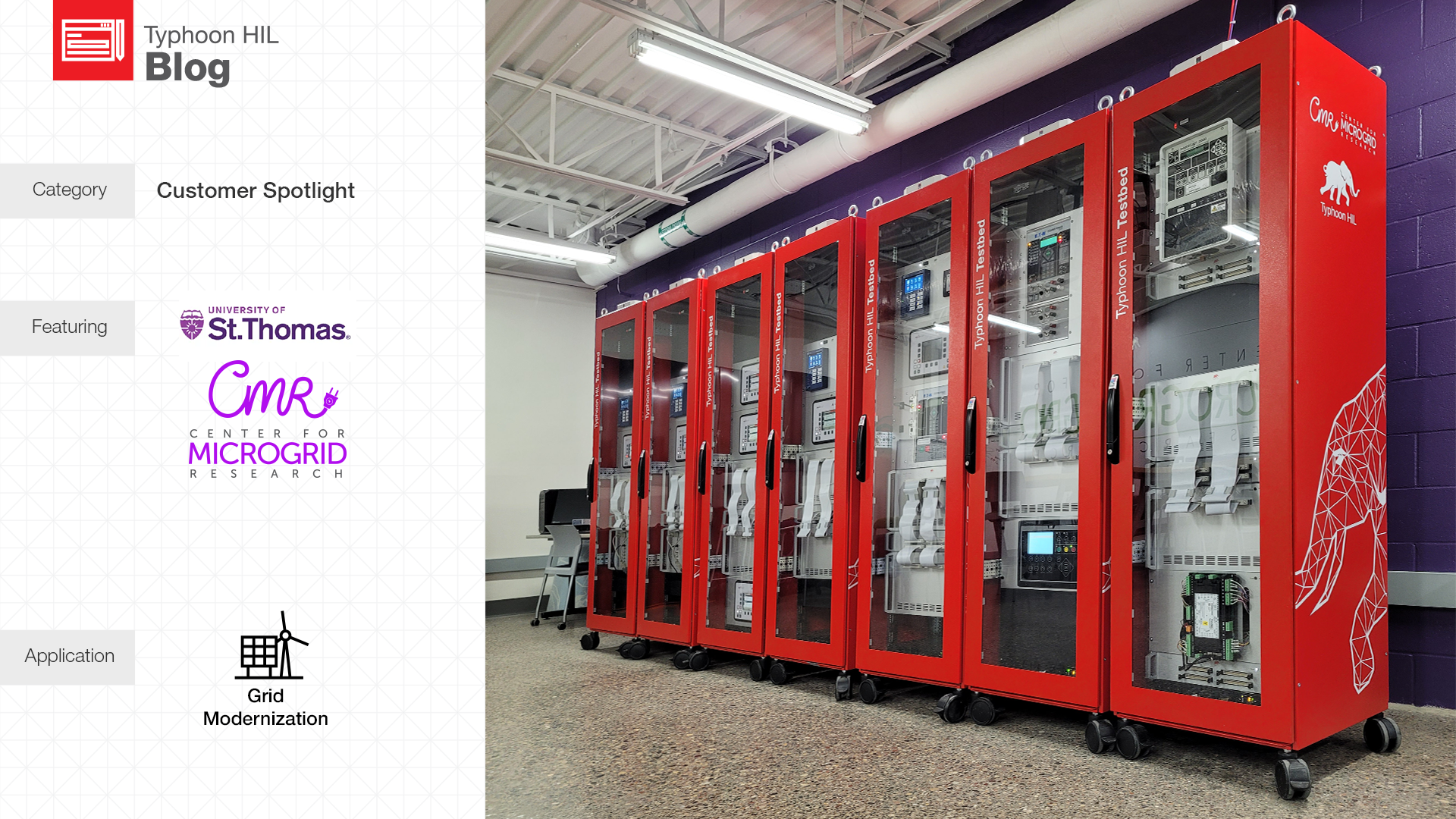
Solution | Typhoon HIL Testbeds at CMR: Bridging Simulation and Real-World Microgrids
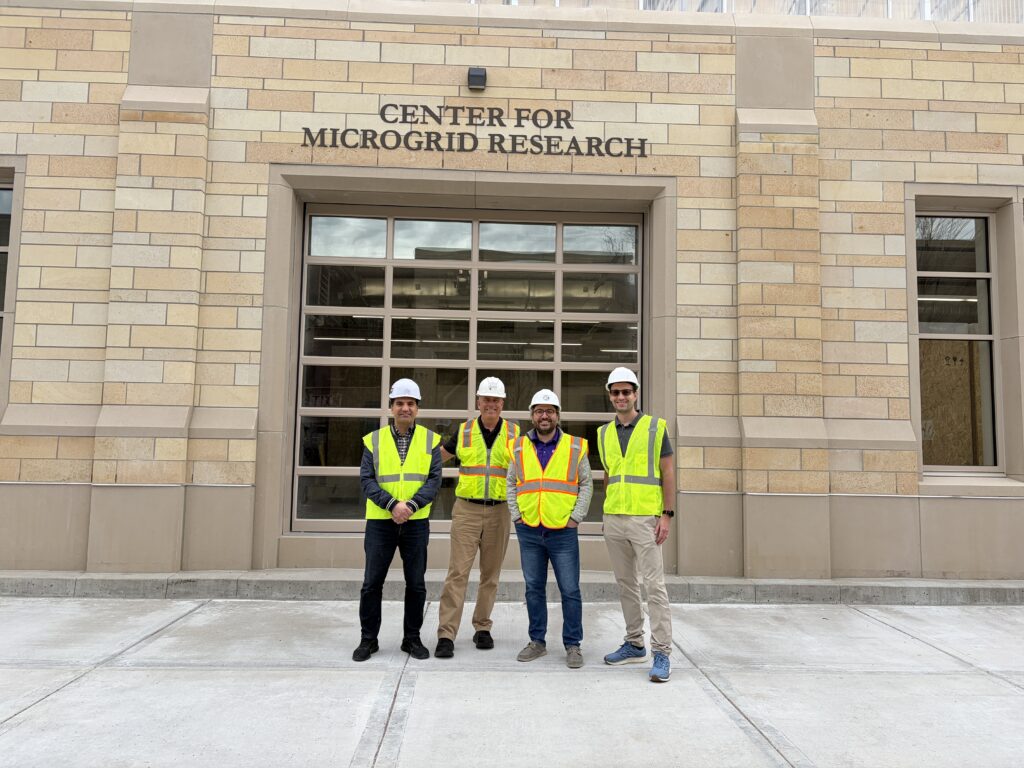
One of the unique aspects of the Center for Microgrid Research is its combination of advanced simulation testbeds and a real-world microgrid system operating on campus. The CMR microgrid currently powers multiple buildings and is undergoing a significant expansion to increase generation capacity and research capabilities.
This real-world infrastructure allows researchers to transition seamlessly between simulation, hardware testing, and field implementation. New algorithms, controllers, and grid technologies can first be validated using Typhoon HIL testbeds and then deployed within the physical microgrid environment for real-world evaluation.
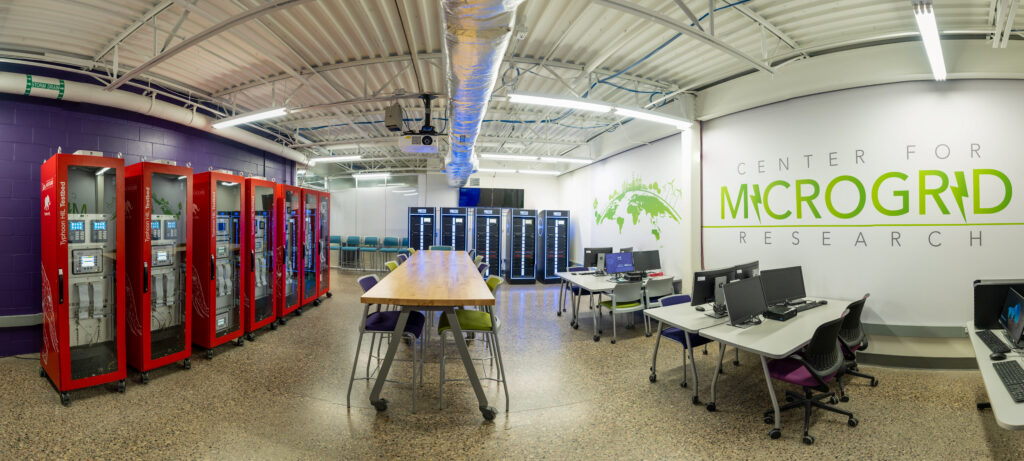
This integrated research platform provides a powerful environment for developing solutions to some of the most pressing challenges facing modern power systems, including grid resilience, renewable integration, and distributed energy coordination.
The addition of Typhoon HIL testbeds strengthens CMR’s ability to collaborate with industry partners, utilities, and government agencies. Companies developing next-generation grid technologies can leverage the Center’s infrastructure to test and validate their products under realistic operating conditions.
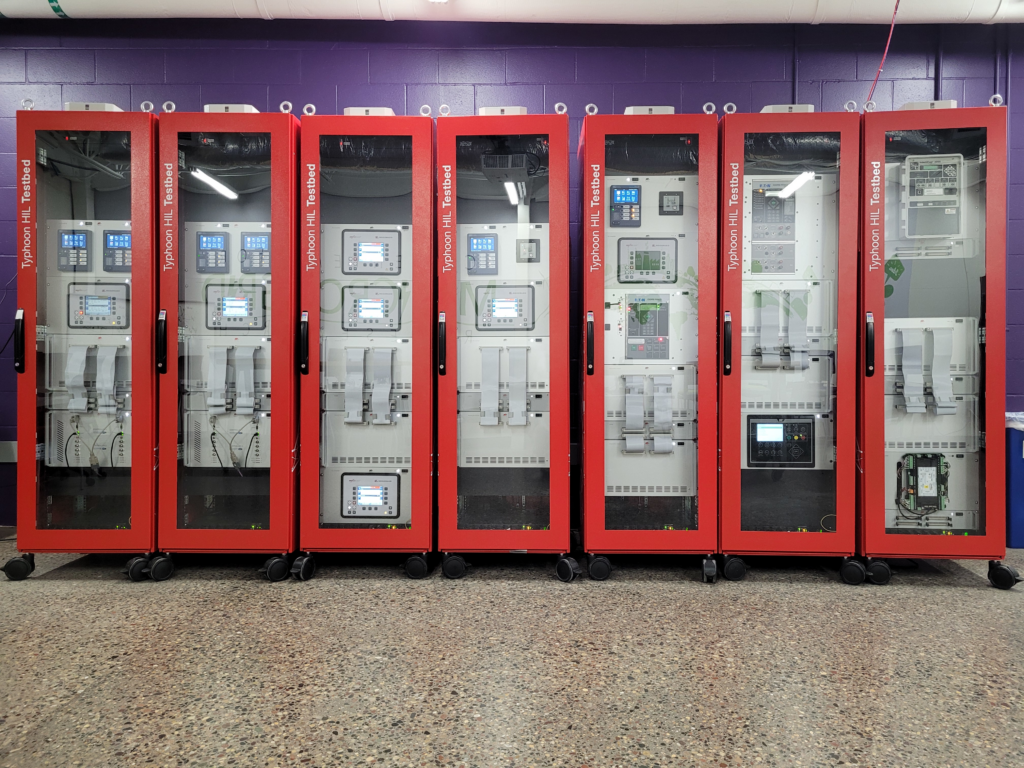
Through these collaborations, CMR serves as a bridge between academia and industry, supporting technology development, workforce training, and deployment of real-world innovative energy solutions.
In addition to advancing research, the new HIL capabilities provide valuable hands-on learning opportunities for students. Graduate and undergraduate researchers at the Center gain experience working with industry-grade hardware and simulation platforms, preparing them to become leaders in the evolving energy sector.
By combining advanced research infrastructure with experiential learning, CMR is helping train engineers who will design and operate the power systems of the future.
“We chose Typhoon HIL because the platform aligns directly with our vision for a modern microgrid and grid modernization research facility. The high-fidelity, real-time simulation capabilities and state-of-the-art testbeds empower us to develop advanced control strategies faster, safely test complex grid scenarios, and engage effectively with industry and government partners. At the Center for Microgrid Research, we also operate a real-world microgrid system that is actively expanding, providing a unique environment where technologies can move from simulation to hardware testing and ultimately to field deployment. Integrating this technology at the core of our CMR lab accelerates applied research, enhances hands-on learning for students, and positions our center as a hub for tackling real-world power system challenges and advancing the evolving energy grid.”
Dr. Mahmoud Kabalan
Director
Center for Microgrid Research
University of St. Thomas
HIL Benefits | Accelerating Research, Reducing Risk, Inspiring the Next Generation
The adoption of Typhoon HIL technology has transformed how CMR conducts research across several dimensions. First and foremost, iteration speed has improved dramatically. What previously required weeks of physical hardware setup can now be reconfigured in hours within the simulation environment, allowing research teams to test more hypotheses, explore more scenarios, and publish findings faster. Second, the reproducibility of experiments has increased, strengthening the rigor and credibility of published research. Finally, and perhaps most importantly for CMR’s mission as an academic institution, the Typhoon HIL platform has become an exceptional teaching tool. Students gain hands-on experience with industry-standard power systems simulation technology, preparing them directly for careers in grid modernization, renewable energy integration, and power electronics engineering.
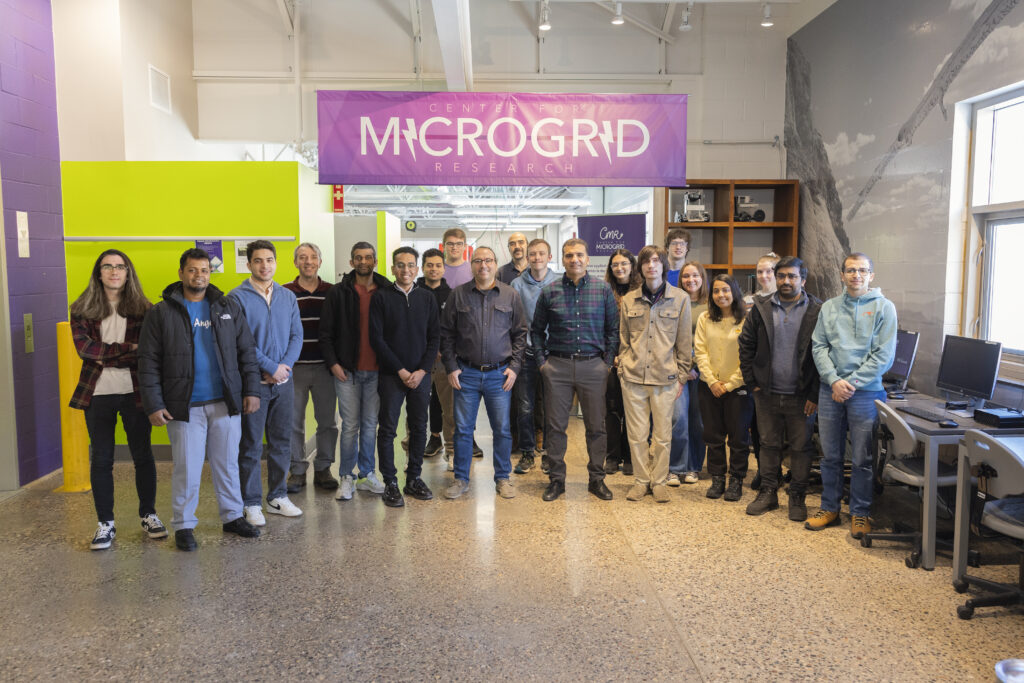
With the integration of Typhoon HIL technology and the continued expansion of its real-world microgrid infrastructure, the Center for Microgrid Research is strengthening its position as a leading applied research hub for distributed energy systems and microgrids.
These capabilities enable CMR to accelerate innovation, support industry collaboration, and develop technologies that will shape the future of the electric grid.