

Introduction | What the Best Paper Award is About
The Typhoon HIL Best Paper Award shines a spotlight on transformative applied research in power electronics and power systems, celebrating those who bridge the gap between theory and real-world impact through digital innovation. This prestigious award honours pioneering work rigorously validated with real-time simulation, Hardware-in-the-Loop (HIL), and digital twin technologies, recognising operational technology solutions that advance grid digitalisation and sustainable power technologies.
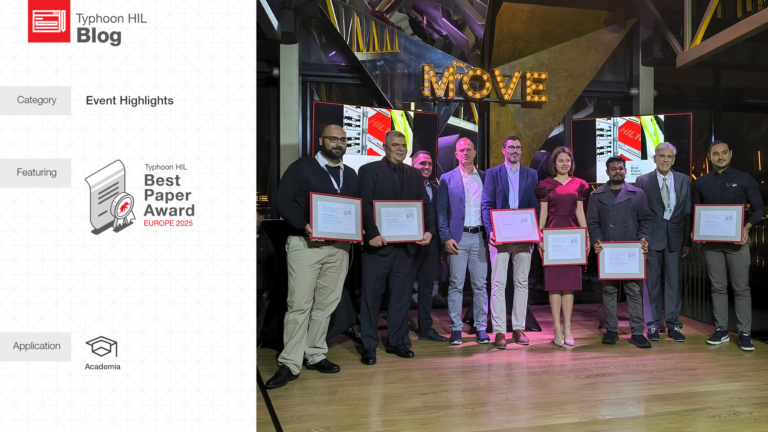
This blog article showcases the awarded papers, contributors, and the breakthroughs propelling the industry forward within the Best Paper Award Latin America 2025 edition.
Best Paper Award | Heterogeneous Microgrids: Centralized Control Strategy with Distributed Grid-Forming Converters
This award-winning paper was authored by Lucas S. Araujo, João Marcus S. Callegari, Braz J. Cardoso Filho, and Danilo I. Brandao, all affiliated with the Federal University of Minas Gerais (UFMG), Brazil. The research performed at the Graduate Program in Electrical Engineering at UFMG is a testament to the institution’s commitment to advancing the field of power electronics and microgrid control strategies.
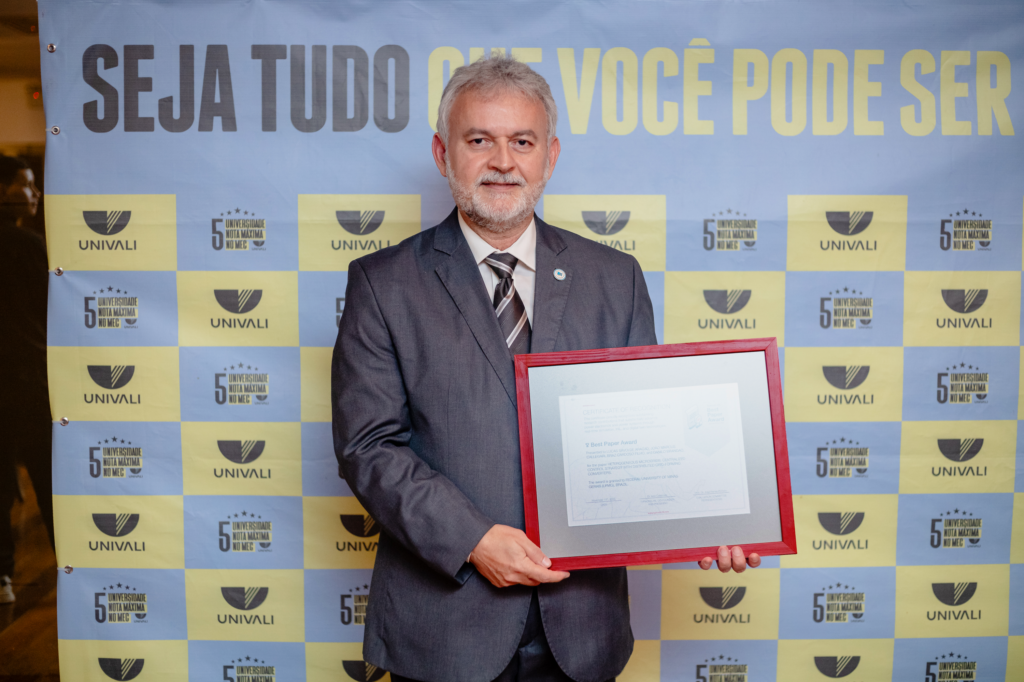
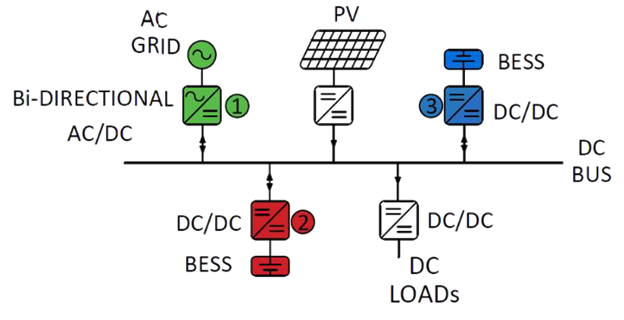
This paper introduces a novel centralised control strategy for heterogeneous microgrids, integrating distributed grid-forming converters to enable seamless power sharing in both grid-connected and islanded modes, without the need for a single centralised grid-forming converter. Real-time hardware-in-the-loop (HIL) simulation was carried out using seven control cards interfaced with two Typhoon’s HIL604 devices connected in parallel, which allowed the authors to reliably implement 10 distributed energy resources and the centralized control, validating their proposed strategy under varied operating scenarios. Major research results include smooth transitions between operating modes without critical islanding detection, robust power flow control, and comprehensive validation of both single- and three-phase converters, all achieved through the advanced capabilities of the Typhoon HIL platform.
The paper was published in the July 2024 issue (Volume 158) of the Elsevier International Journal of Electrical Power & Energy Systems and can be accessed through Science Direct.
Best Paper Award | Simple Fuzzy Logic-Based Energy Management for Power Exchange in Isolated Multi-Microgrid Systems: A Case Study in a Remote Community in the Amazon Region of Ecuador
This paper was co-authored by Mauricio Rodriguez, Diego Arcos-Avilés, and Francesc Guinjoan. Mauricio Rodriguez and Diego Arcos-Avilés are affiliated with the PROCONET Group at the Department of Electrical, Electronic and Telecommunications of the Armed Forces University (ESPE), Ecuador, while Francesc Guinjoan is with the Department of Electronics Engineering, Technical University of Catalonia, Spain. The collaborative research team brings together expertise across Ecuador and Spain, focusing on advancing energy management for isolated multi-microgrid systems in remote Amazonian communities.
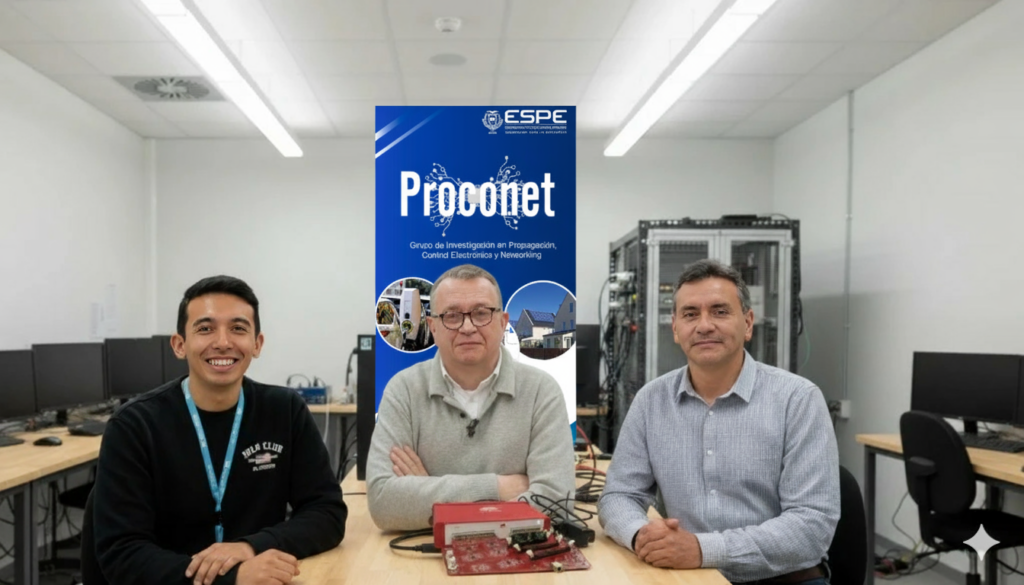
The study proposes a fuzzy logic-based energy management system (EMS) designed to optimise power exchange and reduce energy waste in interconnected isolated microgrids. Experimental validation was performed using Typhoon HIL402 devices, enabling real-time operation and testing of the EMS under practical conditions. The use of Typhoon HIL technology was pivotal in demonstrating the system’s effectiveness: results showed a reduction in the photovoltaic power wasted, decreased fossil fuel consumption, and improved battery health by considering both state of charge and state of health. The research confirms that the EMS can autonomously manage power exchanges, maximise renewable utilisation, and extend battery life, offering a robust solution for sustainable energy in isolated Amazonian regions.
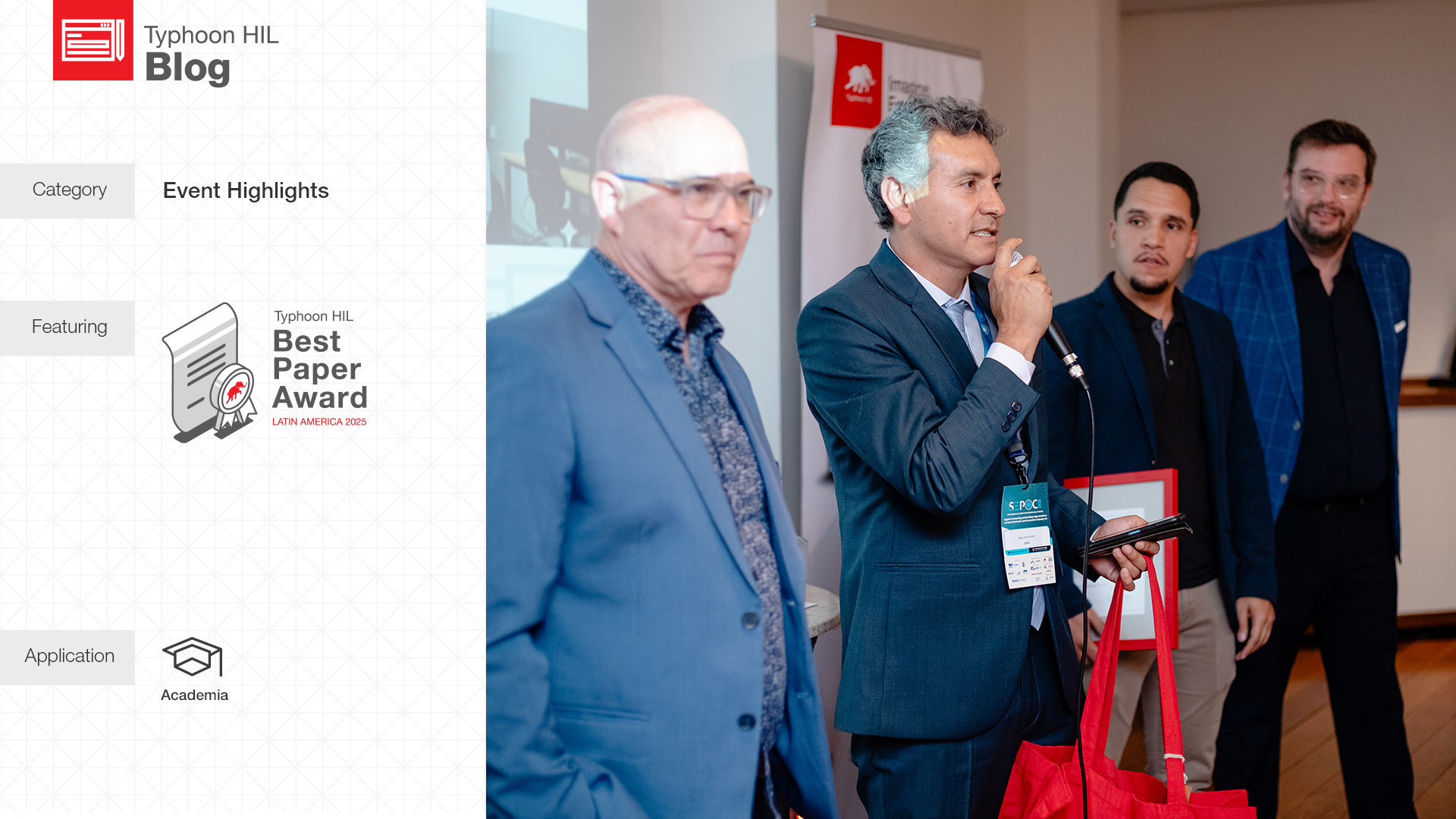
Receiving the Typhoon HIL Best Paper Award, Latin America 2025, is an extraordinary honor for our team and for Ecuador. This recognition, along with the invaluable HIL604 real-time simulator, represents a pivotal step toward advancing local scientific research, fostering innovation, and generating new knowledge from our region to the world.
Prof. Diego Arcos-Avilés
The paper was published in the March 2024 issue (Volume 357) of Elsevier Applied Energy and can be accessed through Science Direct.
Best Paper Award | Economic Operation Optimization Under Real-Time Pricing for an Energy Management System in a Redundancy-Based Microgrid
This award-winning paper was authored by Thales Augusto Fagundes and Ricardo Quadros Machado from the University of São Paulo (USP), Brazil, Guilherme Henrique Favaro Fuzato from the Federal Institute of Education, Science and Technology of São Paulo (IFSP), Brazil, Rafael Fernando Quirino Magossi from Solar21, Brazil, and Manuel Antonio Barrios Flores, Juan C. Vasquez, and Josep M. Guerrero from the Department of Energy Technology at the University of Aalborg, Denmark. The collaboration brings together experts across Brazil and Denmark, uniting academic and industry perspectives to address challenges in microgrid energy management.
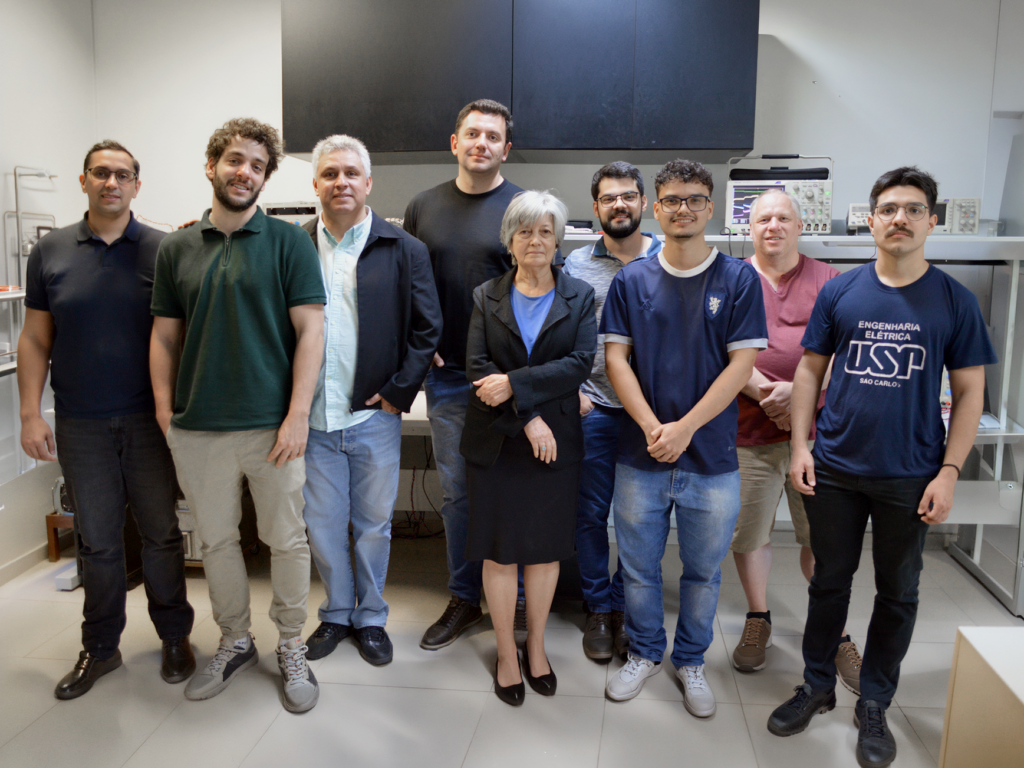
The paper explores economic optimisation of microgrid operation under real-time pricing, focusing on a redundancy-based energy management system (EMS). The research was experimentally validated using Hardware-in-the-Loop (HIL) technology, including Typhoon HIL equipment, which provided real-time performance evaluation of the proposed EMS and optimisation strategies. Major findings demonstrate that incorporating redundancy enhances system reliability and stability, while particle swarm optimisation (PSO) of EMS parameters significantly reduces operational costs and improves efficiency. The proposed methods also achieve faster state-of-charge equalisation and lower stress on batteries, contributing to improved operational stability and battery health in microgrid applications.
Receiving this award recognizes that we are on the right path in developing innovative strategies for microgrid topologies and management, reinforcing the relevance and quality of our research.
Dr. Thales Augusto Fagundes
The paper was published in the August 2024 issue (Volume 71, Issue 8) of IEEE Transactions on Industrial Electronics and can be accessed through IEEE Explore.
Outstanding Paper | Fixed Switching Frequency Model Predictive Control for Grid-Forming Inverters
This outstanding paper was authored by Fernanda Carnielutti from the Power Electronics and Control Research Group (GEPOC) at Federal University of Santa Maria (UFSM), Brazil, Tiago Davi Curi Busarello from the Department of Control, Automation and Computing Engineering at Federal University of Santa Catarina (UFSC), Brazil, Ênio Costa Resende from the Faculty of Electrical Engineering at Federal University of Uberlândia (UFU), Brazil, Qudrat Ullah and Marcelo Godoy Simões from the School of Technology and Innovations at the University of Vaasa, Finland. The team collectively advanced the field of grid-forming inverter control, with contributors from both Brazil and Finland.
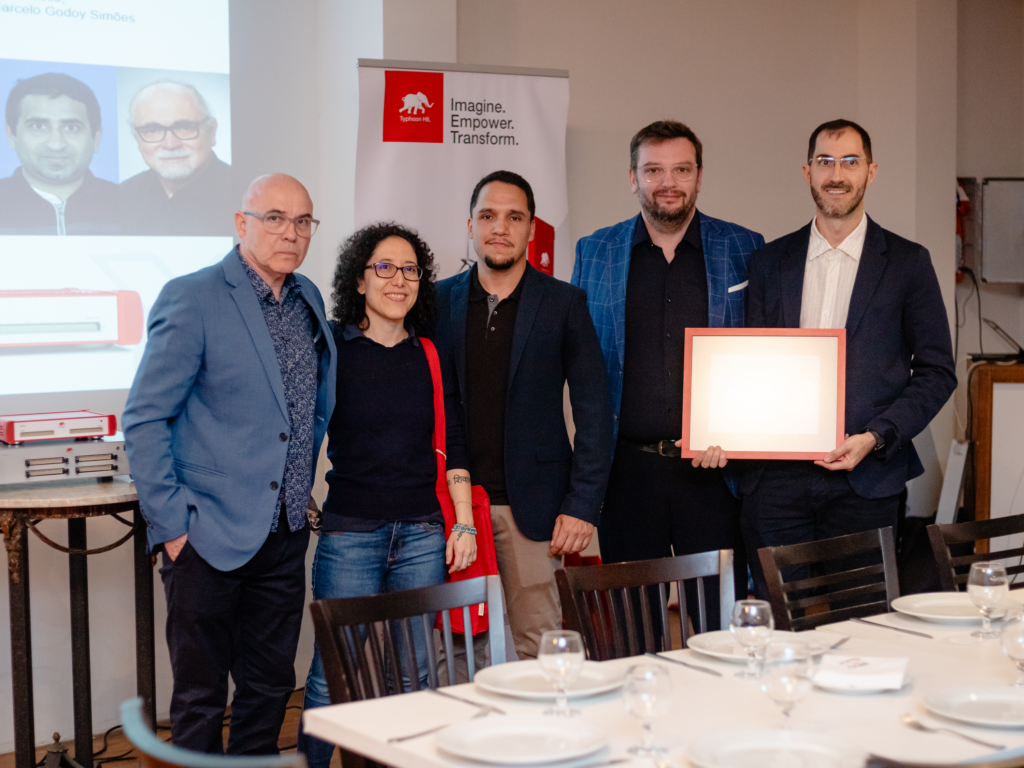
The paper investigates a Fixed Switching Frequency Model Predictive Control (FSF-MPC) approach for grid-forming inverters within microgrids. The proposal was implemented using a Typhoon HIL604 real-time simulator, with the controller tested and validated in both grid-tied and islanded scenarios, including load and parametric variations and tests under weak grid conditions. Key findings demonstrate that FSF-MPC achieves fast dynamic response, robust multivariable control, improved load sharing, fixed switching frequency, lower harmonic distortion, and smooth transitions between operating modes, outperforming traditional methods. The use of Typhoon HIL equipment was central to experimentally validating the control strategy and highlighting its advantages for practical microgrid applications.
This award is really important because it acknowledges the work that we have done in the field of Model Predictive Control for grid-forming inverters in microgrids, which is a very important research topic at the moment.
Prof. Fernanda Carnielutti
The paper was published in the July 2025 issue (Volume 40, Issue 7) of IEEE Transactions on Power Electronics and can be accessed through IEEE Explore.
Outstanding Paper | Cost and Cybersecurity Challenges in the Commissioning of Microgrids in Critical Infrastructure: COGE Case Study
This outstanding paper was co-authored by Rodrigo Antonio Sbardeloto Kraemer, Douglas Pereira Dias, Alisson Carlos da Silva, Marcos Aurelio Izumida Martins, and Mathias Arno Ludwig from the Sustainable Energy Centre at CERTI Foundation, Brazil, along with collaborators from R&D and Innovation at AES Brasil, São Paulo, Brazil. The research team represents leading expertise in sustainable energy and innovation, focusing on advancing the commissioning of microgrids within critical infrastructure environments in Brazil.
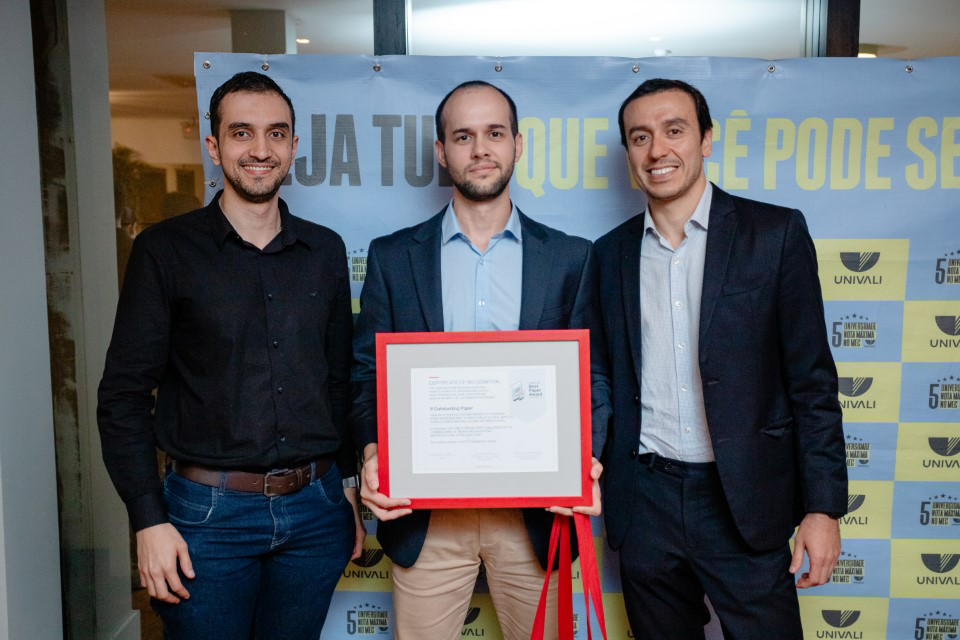
The paper addresses the dual challenges of cost and cybersecurity during the commissioning of microgrids, specifically through a case study at the AES Brazil’s Generation Operations Center (COGE). Real-time hardware-in-the-loop (HIL) simulation was central to the research, with extensive use of Typhoon HIL devices and software to model microgrid components and validate control and cybersecurity strategies under realistic conditions. Major findings highlight that the Typhoon HIL platform enabled significant reduction in commissioning time and travel costs, robust testing of secure network architectures, and flexible, high-performance operation of the microgrid. Notably, the approach also facilitated scenario testing and continuous system improvement for the client, underscoring the pivotal role of Typhoon HIL equipment in enhancing both operational efficiency and security in critical power systems.
This award not only recognizes the quality of our development results but also strengthens our R&D capabilities with Typhoon HIL, enabling us to accelerate the transformation of innovative concepts into market-ready solutions.
Rodrigo Kraemer, MSc
The paper was published in the April 2022 issue (Volume 15, Issue 8) of Energies and can be accessed through MDPI.
Honorable Mention | A Transient Stability Enhancement Method for Grid-Forming Converters Enabling Operation Across the Four-Quadrant Range of Power Angle
This paper was authored by Armando J. G. Abrantes-Ferreira, Alexandre C. Oliveira, and Antonio M. N. Lima, all affiliated with the Graduate Programme in Electrical Engineering at the Federal University of Campina Grande (UFCG), Brazil. Xiongfei Wang contributed from the Division of Electric Power and Energy Systems at KTH Royal Institute of Technology, Sweden, and the Department of Energy at Aalborg University, Denmark. Their combined expertise represents a collaborative effort spanning Brazil, Sweden, and Denmark.
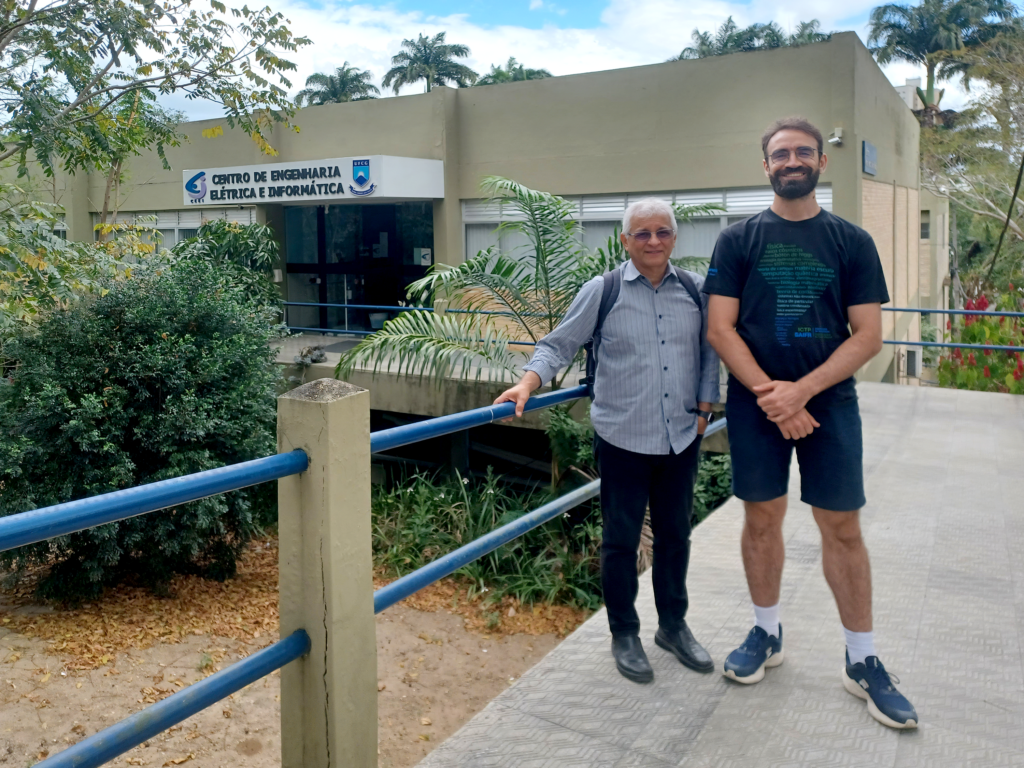
The research addresses transient stability enhancement in grid-forming converters, enabling stable operation across the full four-quadrant range of power angle in ultra-weak grids. The validation of the proposed control strategy was carried out using Controller Hardware-in-the-Loop (C-HIL) testing, employing a real-time simulator for system emulation and a digital signal processor for converter control implementation. Key findings include the demonstration of robust four-quadrant operation regardless of grid impedance characteristics, the introduction of a novel mode-adaptive power-angle control strategy based on a weighted power factor, and experimental confirmation of improved converter controllability and voltage support, especially during grid faults and under measurement uncertainties.
This recognition inspires us to continue our pursuit of excellence.
Dr. Armando J. G. Abrantes-Ferreira
The paper was published in the October 2025 issue (Volume 13, Issue 5) of the IEEE Journal of Emerging and Selected Topics in Power Electronics and can be accessed through IEEE Explore.
Honorable Mention | Unified Centralized/Decentralized Voltage and Frequency Control Structure for Microgrids
This paper was co-authored by Paulo T. de Godoy, Adriano B. de Almeida, A.C. Zambroni de Souza, Diogo Marujo, and Jonas V. Souza. The authors are affiliated with the Federal University of Itajubá (UNIFEI), Brazil, the Western Paraná State University (Unioeste), Brazil, Federal University of Technology – Paraná (UTFPR), Brazil, and the University of São Paulo (USP), Brazil. Their collaborative work brings together expertise from leading Brazilian institutions across multiple regions, reflecting a broad commitment to advancing microgrid control technologies.
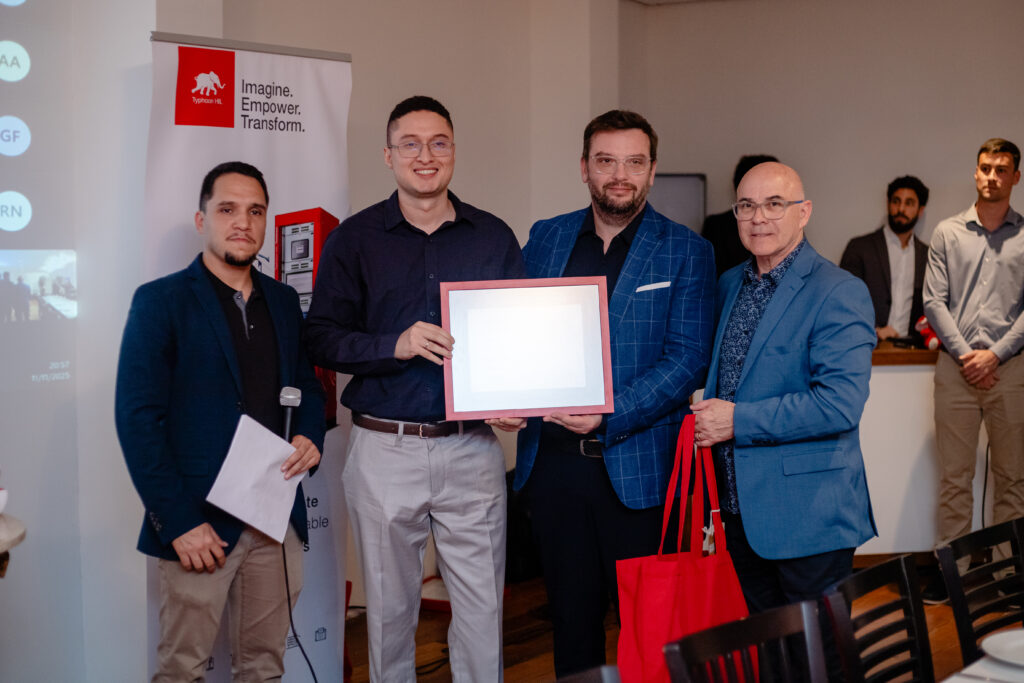
The study introduces a unified centralised/decentralised voltage and frequency control structure for microgrids, designed to ensure robust regulation even during control or communication failures. The research utilised hardware-in-the-loop (HIL) simulation, employing a real-time digital simulator platform for modelling and testing, while communication was managed via the MODBUS protocol.Major findings include the development of a novel unified secondary control structure combining centralised and decentralised strategies, improved system stability and transition between control modes through local variable calculation in decentralised units, and an innovative decentralised secondary voltage control method that achieves effective voltage regulation and reactive power sharing without requiring complex network information.
The paper was published in the June 2024 issue (Volume 38) of Elsevier Sustainable Energy, Grids and Networks and can be accessed through Science Direct.
Honorable Mention | Design Guide for Integral CCS-MPC Applied to a Surface Permanent Magnet Synchronous Motor with HiL Implementation
This paper was co-authored by Arthur G. Bartsch and Rodrigo Trentini from the Federal Institute of Santa Catarina (IFSC), Brazil, and Ademir Nied, José de Oliveira, Filipe Fernandes, Sabrina F. dell Agnolo, and Mariana S. M. Cavalca from Santa Catarina State University (UDESC), Brazil. The collaborative team from these Brazilian institutions focuses on developing advanced control strategies for electric machines, particularly surface permanent magnet synchronous motors (SPMSM), aiming to simplify implementation and improve performance.
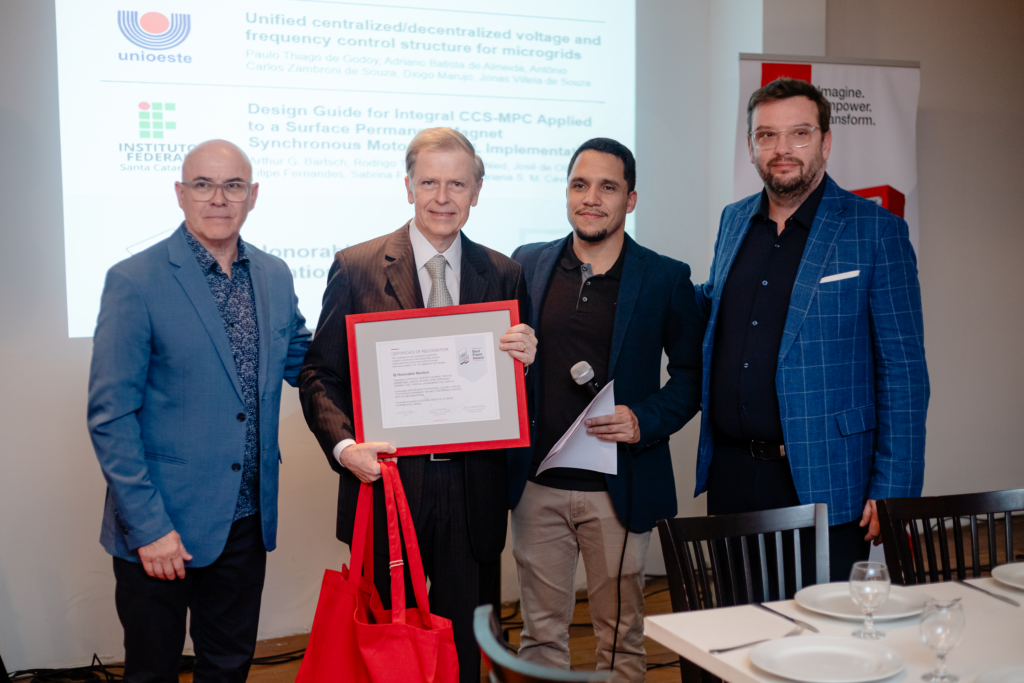
The paper presents a practical design guide for applying integral convex control set model-based predictive control (CCS-MPC) to SPMSM, streamlining parameter tuning and linking it directly to the machine’s closed-loop bandwidth. The research was conducted using Hardware-in-the-Loop (HIL) simulation on the Typhoon HIL404 platform, where the motor and inverter were emulated in real time, and experimental data were collected via Typhoon HIL SCADA software. Major findings demonstrate that controllers with lower variance offer better noise sensitivity and torque-per-speed ratio, while the proposed Integral CCS-MPC approach delivers fixed switching frequency, improved current quality, reduced torque ripple, elimination of steady-state errors, and inherent compensation for constant disturbances, outperforming traditional methods in both practicality and efficiency.
We are really happy about this acknowledgment since the submitted paper was our first work using a Typhoon device in a HiL setup. I can assure you that there is more to come, and we look forward to continuing our great partnership with Typhoon HIL Inc.
Dr. Rodrigo Trentini
The paper was published in the February 2026 issue (Volume 30) of Eletrônica de Potência and can be accessed through SOBRAEP’s webpage.
Conclusion
As we celebrate the awarded papers at Typhoon HIL Best Paper Award Latin America 2025, we extend our heartfelt thanks to every researcher and team who submitted their work. Your dedication and innovation have inspired and enriched the conversation around power electronics, power systems, and smart grid technologies, making this competition a true showcase of international excellence.
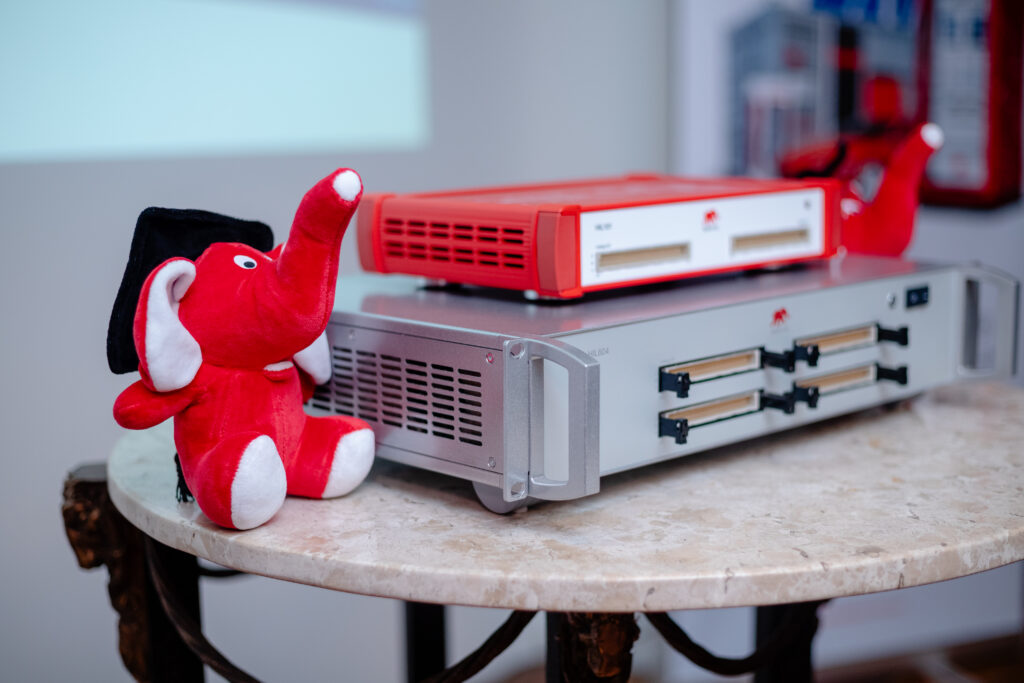
Special appreciation goes out to the independent expert Evaluation Committee, whose rigorous and unbiased review ensured the highest standards and fairness, and to the organisers at Typhoon HIL, whose tireless commitment and vision made this award a reality. Members of the Committee for this edition of the Best Paper Award were the following Professors: Diego Arcos, Tárcio Barros, Danilo Brandão, Francisco Gonzalez‑Longatt, Philippe Gray, Felipe Grigoletto, Hilton Abílio Gründling, Guilherme Vieira Hollweg, Guillermo Jimenez, Gustavo Guilherme Koch, Ruth Leão, Luiz A. C. Lopes, Fernando Marafão, Patricio Mendoza Araya, Lenin Morais, Alexandre Cunha Oliveira, Cindy Ortiz, Humberto Pinheiro, José A. Pomilio, Marco Rivera, and Antonio Spencer.
We are excited to soon open the submissions for the next Best Paper Award edition, for which the award ceremony will be held at Typhoon HIL TechDay 2026. We look forward to even more groundbreaking research and vibrant community engagement in the next chapter. To all participants, reviewers, organisers, and readers, we thank you for advancing the field and helping shape the future of sustainable power systems. Stay tuned for further updates and opportunities to connect, share, and celebrate innovation together!